

Top Discount Ammo Deals to Stock Up Without Breaking the Bank
Most shooters don’t realize that discount ammo often comes from the exact same production lines as full-price boxes, just packaged under bulk or overrun labels. Discount ammo works by purchasing surplus, factory seconds, or bulk-packed cartridges that sacrifice fancy packaging but not ballistic performance. You can use it for high-volume practice, zeroing optics, or training drills without burning through your budget, as long as you verify the lot’s headstamp and inspect for corrosion or dents before loading. The key benefit is simple: you stretch your shooting time and round count for a fraction of retail cost while retaining reliable function in standard firearms.
What Exactly Counts as Discount Ammo and Is It Safe to Shoot?
Discount ammo typically means factory-new cartridges sold at a lower per-round price due to 9mm Ammo for Sale bulk packaging, older lot numbers, or less popular calibers—not remanufactured or reloaded rounds. Surplus military ammunition, if factory-sealed and corrosive-primed, also counts, but you must clean your firearm promptly afterward. The safety question hinges on factory-new discount ammo versus questionable sources. If the brass, primer, and projectile look consistent and the box lacks damage, it’s safe to shoot. The real risk appears when “discount” means unknown handloads or dented, rusty cases. Stick to reputable brands offering clearance sales, and you’re fine. In short: price cuts from legitimate manufacturers are safe; mystery bargain bins are not. Verify headstamps and avoid anything with loose bullets or swollen bases.
Understanding the Difference Between Factory Seconds, Overruns, and Surplus
When 6mm Remington Ammo for Sale you’re hunting for discount ammo, knowing the labels keeps you safe and saves cash. Factory seconds are rounds that failed strict quality checks—think cosmetic blemishes or minor dents—so they’re functionally fine but sold cheap, often with a warning to inspect each casing. Overruns are extra production batches made for military or law enforcement contracts that got canceled or exceeded the order; they’re essentially identical to commercial loads, just boxed differently. Surplus is older, often military-issued ammunition that’s been stored for years—fine if it’s corrosively primed or sealed properly, but always check for tarnished brass or cracked necks. Each type shoots safely when you eyeball the rounds, but skip anything with deep scratches or loose bullets.

Why Lower Price Tags Don’t Automatically Mean Lower Quality
A lower price tag on ammunition often reflects streamlined packaging, bulk purchasing, or reduced marketing overhead—not inferior components. Many discount brands load the same projectiles, primers, and brass cases as premium lines, simply skipping the fancy boxes or match-grade sorting. The real quality differentiator lies in consistency, so scrutinize lot numbers and test a small sample before committing to a case. If groups stay tight and cycling remains reliable, you’ve found genuine value. Discount ammo can deliver full-performance reliability when manufacturers prioritize core ballistics over cosmetic frills, letting you save money without sacrificing safety or accuracy.
How to Spot Cosmetic Blemishes vs. Functional Defects in Cheap Rounds
When assessing discount ammo, distinguish harmless patina from dangerous flaws. Cosmetic blemishes include tarnished brass, 7mm Rem Ultra Mag Ammo for Sale light surface scratches, or discolored primer sealant—these do not affect chambering or ignition. Functional defects are structural: dents on the case mouth or shoulder that impede bullet seating, cracks radiating from the primer pocket, or loose bullets that can telescope under recoil. Check the rim for burrs that cause extraction failures. A simple roll test on a flat surface reveals out-of-round cases; wobbling indicates a functional setback risk. Always inspect the primer strike zone—pierced or flattened primers signal excessive pressure. When in doubt, set aside any round with a compromised seal, as leakage causes squibs.

Cosmetic blemishes stay on the surface; functional defects alter shape, seal, or structural integrity—test for wobble, cracks, and loose bullets.
Where Do Sellers Get Deeply Discounted Ammunition From?
Sellers secure deeply discounted ammunition primarily .50 Cal Ammo for Sale by buying overstock and closeout lots directly from manufacturers, who offload excess production at rock-bottom prices to free warehouse space. Another key source is police trade-ins, where agencies sell unopened, sealed cases of practice ammo that was replaced by newer contracts, often at 30-50% below wholesale. Additionally, savvy sellers monitor manufacturer blemished or “cosmetic seconds”—rounds with minor casing dents that function perfectly but fail strict QC, sold in bulk pallets. The most important detail is that these discounted rounds are almost always brand-new, factory-loaded ammunition, not remanufactured or reloaded, because bulk surplus buyers specifically target fresh inventory. Finally, sellers buy seasonal clearance from distributors clearing slow-moving calibers before new production cycles, letting them pass those savings directly to you.
How Overproduction and Canceled Law Enforcement Contracts Create Bargains
When a manufacturer produces a massive lot of ammunition for a law enforcement contract that subsequently falls through, they face costly storage fees and tying up capital. Rather than absorb the loss, they offload these rounds to discount dealers at a steep loss. This is why you’ll occasionally find surplus law enforcement ammunition at prices far below commercial retail. Overproduction also occurs when a factory overestimates demand for a popular caliber, leaving pallets of ammo needing immediate liquidation. The key is 9.3x62mm Mauser Ammo for Sale that these rounds are typically still factory-new, not reloads, yet their distribution channels are restricted, forcing sellers to clear them quickly. Timing your purchase after a major contract cancellation can yield savings that standard sales never approach. The result is a temporary, but genuine, bargain window for savvy buyers.
Why Bulk Military Surplus Ends Up on the Civilian Market
When militaries modernize or switch calibers, they often demilitarize huge stockpiles of ammunition rather than pay to store or destroy it. That’s why bulk military surplus ends up on the civilian market: it’s a cost-saving move for governments, not a secret backdoor. These rounds are usually packed in sealed crates, headstamped with dates, and sold in massive lots to licensed distributors, who then break them down for retail. Because the military paid a fraction of today’s prices decades ago, the surplus can be priced far below new factory ammo, making it a goldmine for shooters who don’t mind sealed, corrosive-primed or slightly older brass. Surplus ammo’s civilian availability hinges on military contract overruns and periodic arsenal cleanouts.
Q: Why does the military sell perfectly good ammo to civilians instead of saving it? A: Because stockpiles expire for service use, and re-casing or refurbishing costs more than selling it off cheap—so you get the discount, and they clear warehouse space.

What to Look for in a Reputable Discount Dealer’s Inventory
When checking a reputable discount dealer’s inventory, start by scanning for fresh lot numbers and sealed original boxes—old, re-taped batches often hide temperature or handling issues. Look for a clear mix of common calibers (9mm, .223) alongside slower-moving specialty rounds, which suggests they buy bulk overruns rather than just dumping junk. Inspect the listed headstamps; consistent brands like Federal, Winchester, or CCI indicate a single, trustworthy source. It’s the random grab-bag of unknown brass that should make you pause, not the price tag. Also, verify that they separately list factory seconds or pulls, so you don’t mistake blemished stock for standard ammo. Finally, check for explicit “new manufacture” vs. “remanufactured” labels on each item.
When evaluating a discount dealer’s inventory, prioritize sealed, fresh lot numbers, consistent brand headstamps, and clear labeling of factory seconds or remanufactured rounds.
How to Choose the Right Budget Rounds for Your Firearm’s Purpose
When scouting discount ammo, your firearm’s true purpose should dictate every box you grab. For a defensive carry gun, never sacrifice reliability for savings—test at least 50 rounds of the budget hollow point through your exact magazine before trusting it. But for a range plinker or competition pistol, prioritize bulk FMJ that cycles smoothly, even if accuracy drifts slightly at 25 yards. A hunting rifle, though, demands consistent budget rounds with a bonded core, not the cheapest soft-point that might fragment on bone. Match the bullet weight to your twist rate, and always check the lot number on discount ammo—cheap batches can vary in pressure. If you’re training for speed, buy the flattest-shooting budget loads you can find, even if they’re dirty. The right choice is the one that feeds, fires, and hits your target’s zone every single time, not just the one that saves you a dollar.
Matching Cheap Ammo to Your Gun’s Action: Pistol, Rifle, or Shotgun
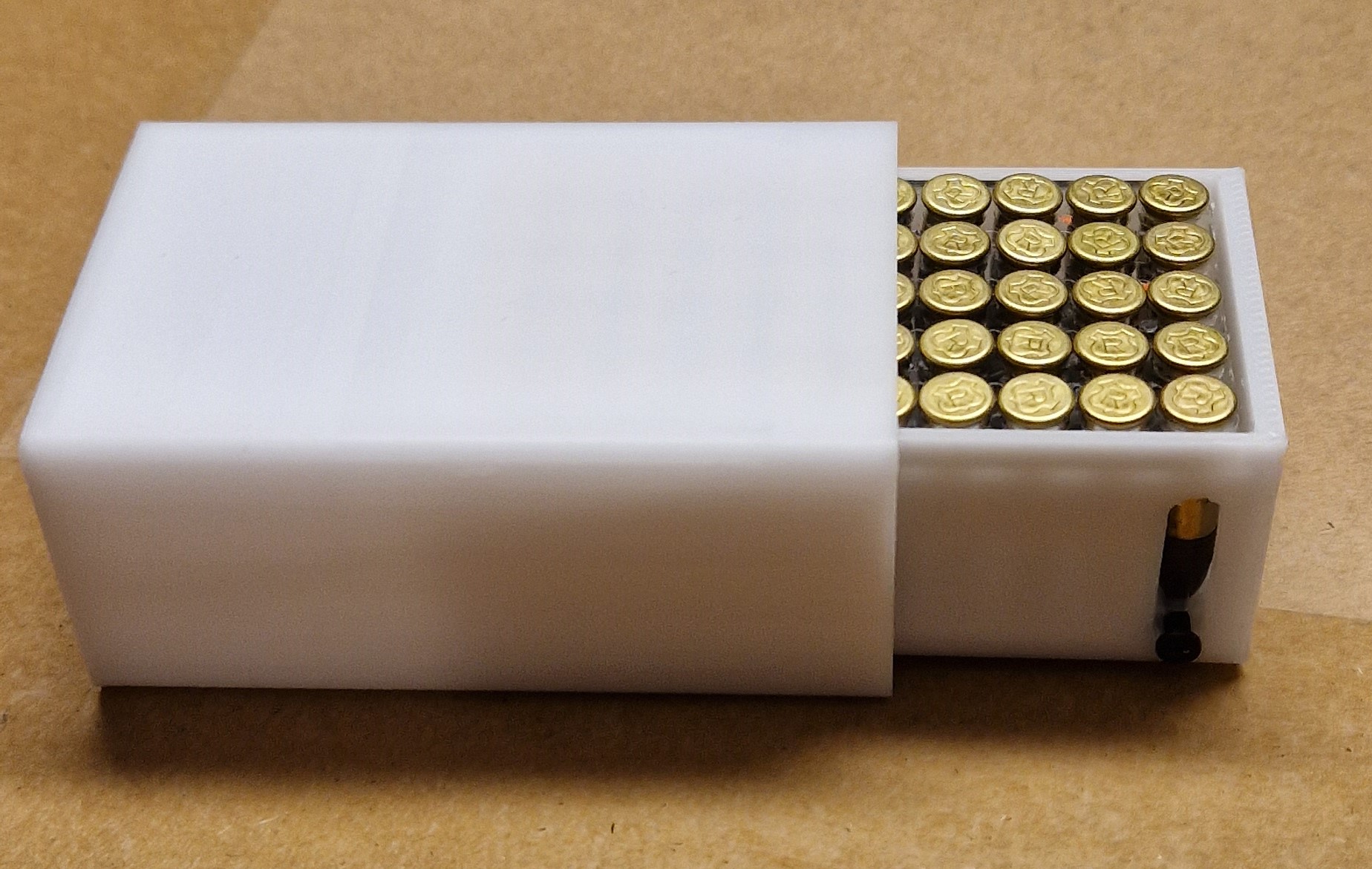
Cheap ammo must match your firearm’s operating system, not just its caliber. For semi-automatic pistols, budget rounds often use lighter loads that fail to cycle stiff recoil springs, causing stovepipes. Matching cheap ammo to your gun’s action means prioritizing velocity and bullet weight for reliable slide travel. In rifles, gas-operated actions tolerate low-pressure surplus rounds, but direct-impingement systems may foul faster with dirty powder, so test a box before bulk buying. Shotguns with pump actions handle nearly any budget shell, while semi-autos need higher-pressure loads to drive the bolt. Revolvers and bolt-actions are the most forgiving, but they still require correct chamber dimensions to avoid stuck cases.
Cheap ammo works only if its pressure and cycling profile align with your pistol, rifle, or shotgun’s action type—test small batches first for reliable function.
Selecting Between Full Metal Jacket, Hollow Points, and Reloads on a Budget
When you’re hunting budget-friendly defensive ammunition, the choice between FMJ, hollow points, and reloads hinges on mission, not price tag alone. Full metal jacket rounds are the cheapest for range practice, but they over-penetrate and fail to expand—never trust them for personal defense. Hollow points cost more per box, yet their controlled expansion stops threats faster, making them your non-negotiable carry 9.3x72R Ammo for Sale round even on a tight budget. Reloads save serious cash for training, but only buy from a reputable caster with verified pressure data; suspect reloads risk malfunctions exactly when you need reliability. Allocate your scarce dollars by buying FMJ in bulk for drills, then sparingly splurge on a few boxes of hollow points you actually test-fire for function. Reloads fill the gap for volume practice, never for duty use.
**Q: Should I buy budget reloads instead of new hollow points for home defense?**
A: No—reloads may save money, but your life isn’t worth a jam. Spend the extra cents on factory new hollow points; reserve reloads purely for range repetition.
Checking the Grain Weight and Velocity to Match Your Barrel Twist Rate
When buying discount ammo, checking grain weight and velocity against your barrel’s twist rate is critical for stabilizing the projectile. A slower twist (e.g., 1:12) typically favors lighter bullets, while a faster twist (e.g., 1:7) handles heavier grains better. Mismatched selections cause keyholing or poor accuracy, wasting budget rounds. Conversely, matching grain weight to twist rate ensures consistent spin, while velocity affects ballistic trajectory and point of impact. Use your manual’s twist specification, then verify that discount velocities remain within an acceptable range for that grain—too slow or too fast can destabilize flight. Test a small box first to confirm group tightness before bulk-purchasing.
Checking grain weight and velocity against your twist rate prevents instability, making cheap ammo accurate and reliable.
Stretching Your Dollar: Smart Ways to Buy Low-Cost Rounds in Bulk
Grabbing discount ammo in bulk is the fastest way to cut per-round costs, but you need a game plan. Start by checking price-per-round, not the sticker total—that’s the real math for stretching your dollar. Look for sales on 500- or 1,000-round cases of your regular caliber, and split an order with a buddy to hit free-shipping thresholds. Stick to trusted brands that run frequent rebates, even if a no-name box saves a buck now—misfires waste money. Buy before you’re out, not when you’re desperate; panic-purchasing always costs more. Watch for opened-box deals or slightly blemished rounds, which shoot fine but sell cheap. Just verify the lot matches your gun’s twist rate. A little planning turns a bulk buy into months of affordable trigger time.
Calculating the True Cost Per Round After Shipping and Taxes
When you’re scouting discount ammo, the sticker price is a lie—you’ve got to do the math after shipping and taxes to find the real deal. Add the per-crate freight charge to the subtotal, then fold in your state’s sales tax. Divide that total by the number of rounds. For example, if 500 rounds cost $110 plus Ammunition for Sale $15 shipping and $8 tax, your true cost is $0.266 per round—not the $0.22 you thought. Always compare this final number across vendors, because a “cheaper” box often loses once fees hit.
When to Wait for Flash Sales Versus Buying Steady Stock at Low Prices
Flash sales on discount ammo shine when you need a specific caliber and can pounce immediately—wait for those 24-hour deals if your stockpile isn’t critical. But if you’re regularly training or prepping, grab steady stock at low prices whenever you see a fair per-round cost, because that consistency beats gambling on a rare promo. Waiting for a flash sale only pays off when the discount exceeds 15% and you’re buying enough to justify the shipping rush. A quick rule: cash-strapped and patient? Wait. Need rounds this month? Buy steady. Q&A: Should I skip a normal price today to chase a flash sale tomorrow? Only if your ammo can last until the sale—otherwise, the steady buy is your smartest move.
How to Store Large Quantities of Bargain Cartridges Without Ruining Them
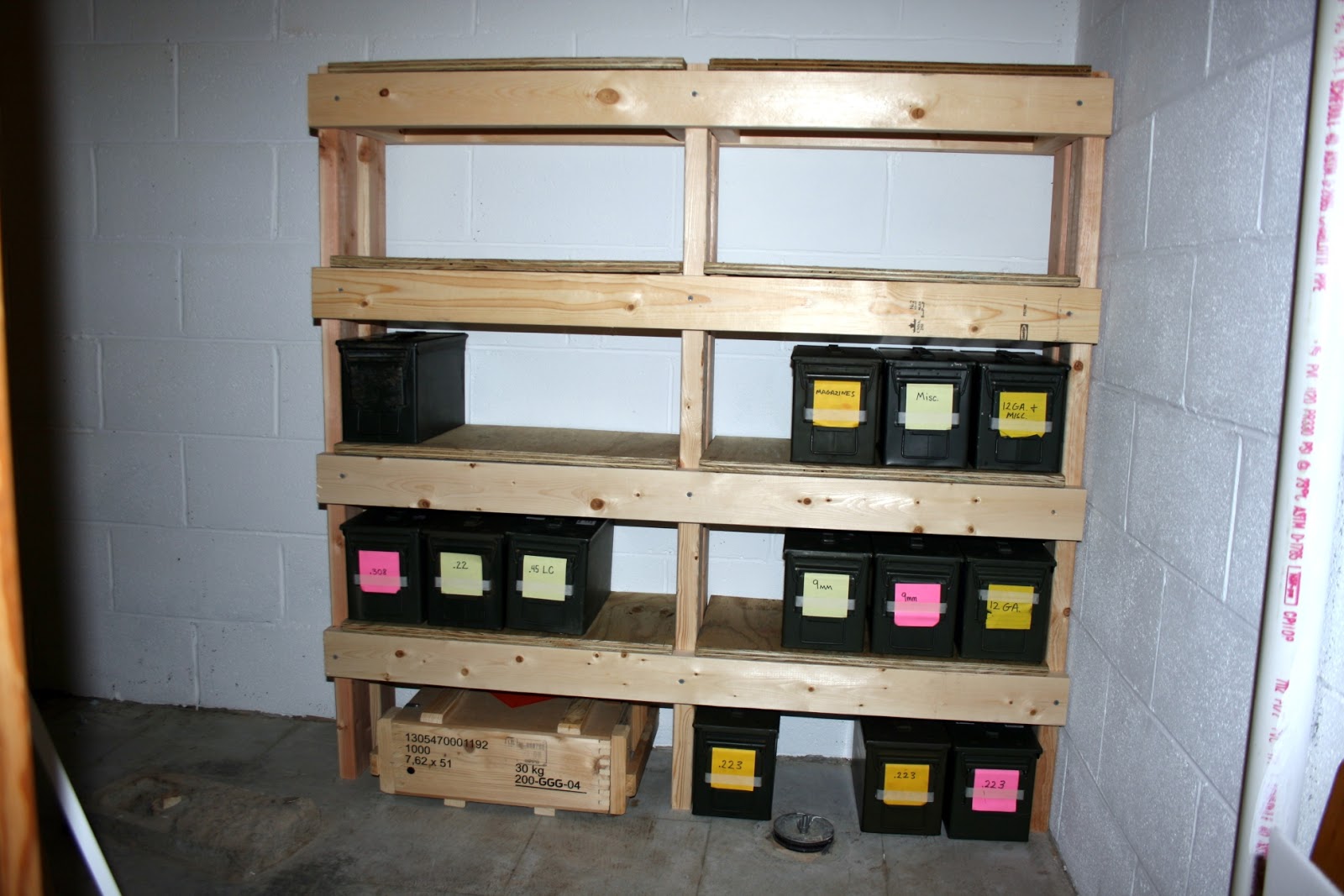
To keep bargain ammo viable, treat moisture and heat as your enemies. Bulk cartridges stored loose in a damp garage will corrode primers and degrade powder, turning savings into duds. Invest in **airtight, military-grade ammo cans** with rubber gaskets, and toss in desiccant packs to absorb humidity. Stack them off concrete floors on shelving, allowing airflow around the metal. Rotate your stock, shooting the oldest lots first, so nothing sits too long. Temperature swings cause condensation, so pick a cool, stable closet over a hot shed.
- Add silica gel desiccant packs to every sealed can.
- Label each container with purchase date and lot number for rotation.
- Use plastic ammo boxes inside cans to prevent bullet setback.
- Check gaskets annually to confirm a tight, moisture-proof seal.
Common Pitfalls When Buying Reduced-Price Ammo and How to Avoid Them
The biggest trap with discount ammo is assuming a low price means a functional bargain, when in reality you’re buying another shooter’s failed reloads or corroded surplus. Always inspect the primer pocket and case mouth for dents or sealant cracks before committing to a bulk lot, as these flaws cause misfeeds and hangfires that ruin your range day. Avoid sealed “mystery packs” without headstamp uniformity—mixed brass from unknown origins often has case-length variations that spike pressure in tight chambers. Instead, stick to reputable brands offering clear lot numbers and purchase a small sample box first to test function in your specific firearm. Verify the ammunition’s manufacturing date on the packaging—old stock degrades propellant, leading to inconsistent velocities. Reject any deal that lacks a visible storage history; ammo kept in hot attics or damp basements suffers powder degradation invisible to the naked eye. That 30% savings often costs more in squib loads and barrel obstructions than you’d ever pay for fresh factory rounds. Ultimately, your only safeguard is a strict policy of buying from vetted dealers who guarantee turnover, not clearance bins at gun shows.
Why Steer Clear of Unknown Reloaded Rounds Without Certification
When hunting discount ammo, unverified reloaded rounds are a gamble where the house always wins—against your firearm. Without certification, you have zero insight into powder charges, case integrity, or primer seating, meaning one hot load can rupture your chamber or send shrapnel toward your face. These mystery rounds often exhibit inconsistent neck tension, leading to bullet setback that spikes pressure unpredictably. Even if they cycle, hidden cracks from overworked brass fail under stress, leaving you with a locked-up bolt or a destroyed extractor. The few dollars saved vanish the instant you need a gunsmith—or worse, a surgeon. Certified reloaders follow SAAMI specs and document every batch; 9×18 Makarov Ammo for Sale unknown sellers offer no such accountability. Treat uncertified reloads like a stranger’s handshake: polite to decline, dangerous to accept.
Uncertified reloaded rounds turn your rifle into a test chamber—save money elsewhere, specialty sports and supply not with your safety.
Signs of Corrosion, Bullet Setback, or Primer Issues Even in New Boxes
Even a factory-sealed box of discount ammo can hide problems, so don’t skip a visual check. Bullet setback happens when a round is jarred during shipping or handling, pushing the projectile deeper into the case—compare cartridge lengths against one another to spot it. Corrosion often shows as green or white crust on the primer or case mouth, even on shiny new brass, so inspect the rim and primer pocket closely. Primer issues include crushed, off-center, or missing primers, which can cause misfires or hangfires. If any round looks questionable, set it aside immediately rather than risking a chamber malfunction.

- Shine a light across the case and primer to catch discoloration or residue
- Press the bullet nose against a hard surface, then measure length to detect setback
- Check primer seating depth and alignment for any irregularity before loading
How to Test a Small Sample Before Committing to a Massive Case Order
Before buying a full case of discounted ammo, purchase a single box from the same lot number. Inspect each round for deformed cases, loose primers, or inconsistent crimps, then fire at least fifty rounds through your actual firearm. Track failures to feed, extract, or ignite, and measure velocity spread if possible—extreme 7mm Rem Mag Ammo for Sale variations signal poor powder charges. Check your targets for keyholing or pressure signs like flattened primers. Testing a small sample before committing to a massive case order also means cycling the rounds through multiple magazines and cleaning your gun afterward to spot excessive fouling. Only a statistically meaningful sample—not a handful—reveals batch-wide defects hidden by a low price.
Q: How many rounds should you test before ordering a full case of discount ammo?
A: Fire at least 50, ideally 100, from the same lot; fewer than 30 can miss sporadic issues that will multiply across hundreds of rounds.